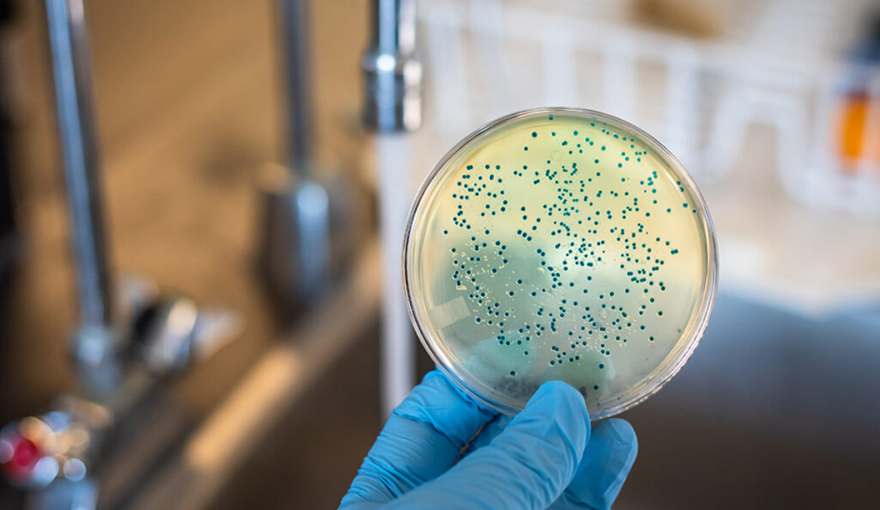

In recent years, water safety has increasingly become a global public concern. What was once considered an infrastructure issue has now evolved into a critical public health challenge. A series of recent water contamination incidents around the world has once again drawn attention to the hidden risks associated with drinking water quality.
In early 2026, several regions in India reported large-scale outbreaks caused by contaminated drinking water. Official investigations revealed that after heavy rainfall, sewage backflow entered parts of the municipal water supply system, resulting in abnormally high levels of E. coli and other pathogenic microorganisms. Within a short period of time, thousands of residents experienced symptoms such as diarrhea and vomiting, and vulnerable populations were particularly affected. These incidents have exposed the limitations of traditional water treatment systems when facing sudden and unpredictable contamination events.
Beyond isolated cases, many regions worldwide continue to struggle with aging water pipelines, extreme weather conditions, and rapidly growing water demand. According to international health authorities, microbial contamination remains one of the most serious threats to drinking water safety, especially at the end of distribution networks, in decentralized systems, and in environments where water quality fluctuates frequently.
These ongoing challenges have prompted the water treatment industry to revisit a fundamental question:
How can we ensure fast, reliable, and controllable water disinfection without introducing chemical risks?
Conventional water disinfection methods have played an essential role for decades, but their limitations are becoming increasingly apparent. Chemical-based treatments may generate by-products, their effectiveness can vary with water quality, and real-time control is often difficult to achieve.
As water safety incidents become more frequent, the industry is shifting from reactive solutions to preventive and continuous protection strategies. In this transition, UVC ultraviolet water sterilization technology is gaining renewed attention as a key driver of next-generation water safety solutions.
As a company dedicated to UVC water sterilization innovation, Innest continues to invest in research and development, bringing UVC technology from laboratory environments into stable, real-world applications across diverse scenarios.
UVC technology works by emitting ultraviolet light at specific wavelengths that directly disrupt the DNA and RNA of bacteria and viruses, rendering them unable to reproduce or cause infection. This process is highly effective against a wide range of pathogens, including E. coli, Salmonella, and various viruses, while requiring no chemical additives, producing no harmful by-products, and preserving the natural taste and composition of water.
Compared with traditional disinfection approaches, Innest’s UVC water sterilization solutions offer several distinct advantages:
High-speed sterilization for flowing water
Pathogens are neutralized instantly as water passes through the system, meeting the demands of real-time water use in residential, commercial, and professional environments.
Stable performance for continuous operation
Optimized optical design and thermal management ensure consistent UVC output even under challenging operating conditions.
Modular design for flexible deployment
Systems can be configured according to flow rate, pressure, and installation requirements, covering applications in household, commercial, medical, laboratory, and specialized fields.
Enhanced safety and controllability
Clear operational status and reliable system control provide users with greater confidence in long-term water safety management.
The global water treatment industry is now entering a critical phase of technological advancement. Water safety is no longer just about meeting minimum standards, but about ensuring long-term reliability, stability, and trust.
By continuously refining its UVC core technology and system performance, Innest is helping to position ultraviolet water sterilization as a key component of modern water treatment systems, rather than a supplementary solution. Our goal is to empower users to build forward-looking water safety protection in increasingly complex water environments.
Looking ahead, Innest will remain committed to advancing UVC water sterilization technology and expanding its practical applications. Through close collaboration with global partners, we aim to address water safety challenges with innovation-driven solutions—using technology to safeguard health and support a more sustainable water future.
For more information, inquiries or to book an interview please Contact:
Shenzhen Hechuang Hitech CO., LTD.
info@hc-hitech.com
Toll Free +86-769 8208 2301 / +86-769 8208 2380